Can You Hear That? What Rental Listings Aren't Telling You About Noise
You've done everything right. You scrolled through the photos twice, cross-referenced the reviews, checked the distance to the beach, and confirmed the Wi-Fi speed. The place looks perfect. Then you arrive, drop your bags, and within twenty minutes realize the building shares a wall with a sports bar that apparently doesn't wind down until 2 a.m. on a Tuesday.
Welcome to the part of rental booking that almost nobody talks about: sound.
Visual amenities dominate the search experience—soaking tubs, exposed brick, that dreamy kitchen island. But what a space sounds like is just as critical to whether you'll actually enjoy being there, and it's almost never front-and-center in a listing. That doesn't mean the clues aren't hiding in plain sight. You just need to know where to look—and what to ask.
Why Hosts Don't Lead With the Noise
This isn't about deception, most of the time. Hosts genuinely acclimate to the sounds of their own properties. The low hum of the HVAC unit, the clang of the radiator kicking on at 6 a.m., the distant highway drone that floats in when the wind shifts—after a while, they stop registering. It's the same reason you probably don't notice the refrigerator in your own kitchen until a guest points it out.
That means the burden of discovery often falls on you, the traveler. And honestly? That's fine, because there are more reliable signals than you'd expect.
Read the Listing Photos Like an Acoustic Map
Photos are designed to flatter a space, but they also accidentally reveal a lot. Here's what to look for:
Window placement and size. Large, single-pane windows facing a busy street are a giveaway. If the listing is in a city like Chicago, Nashville, or New Orleans—places with dense foot traffic and active nightlife—floor-to-ceiling windows that look onto the main drag might mean you're essentially sleeping next to the street.
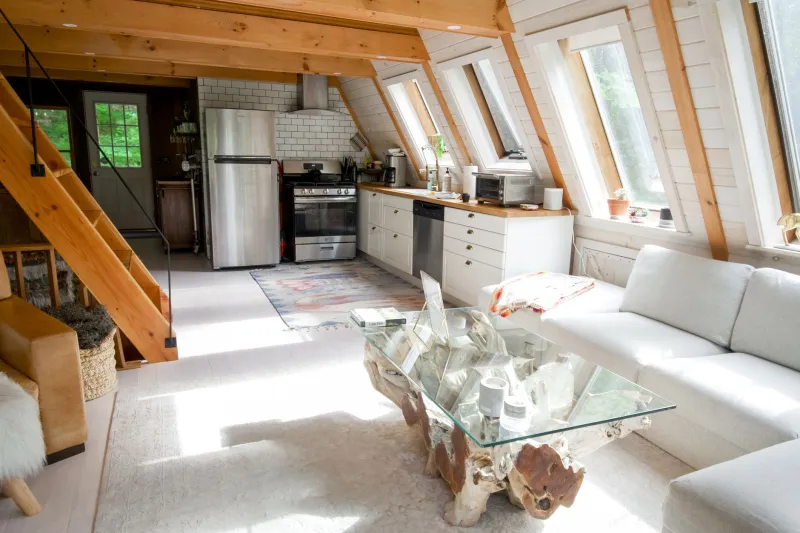
Ceiling height and surface materials. High ceilings in old buildings often mean beautiful architecture and terrible sound dampening. If the photos show hardwood floors, plaster walls, and minimal soft furnishings, sound bounces around rather than getting absorbed. Rugs, upholstered furniture, and curtains are your friends acoustically—their absence is a quiet warning sign.
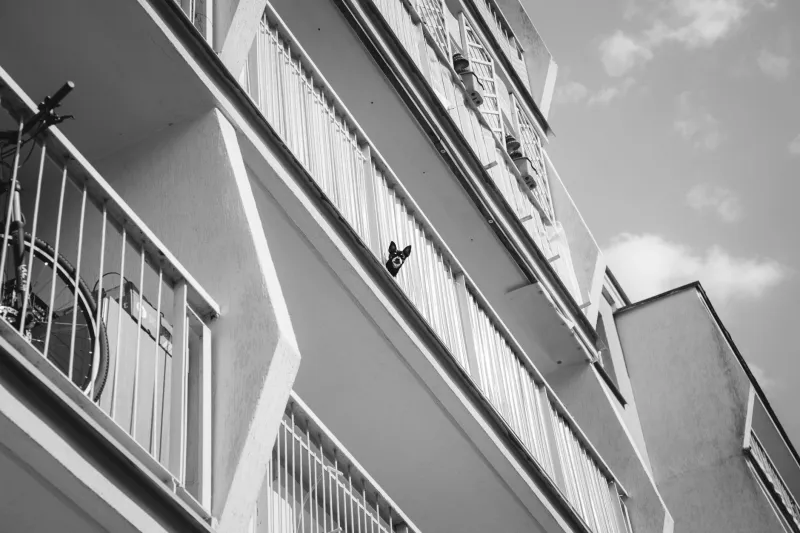
Proximity clues in exterior shots. Does the listing include a photo of the building's exterior or street view? Count how close the neighboring buildings are. If you can see another structure's windows from the listing's windows, you're probably close enough to hear their TV through the wall.
Thin interior doors. A hollow-core door between a bedroom and a living room is a detail that shows up in wide-angle shots if you look carefully. That kind of door offers almost no sound barrier between spaces—relevant if you're traveling with people on different sleep schedules, or if there are other guests in a shared-access property.
Mining Reviews for the Words Hosts Won't Write
Reviews are where the acoustic truth tends to surface, but you have to read them with intention. Don't just scan for star ratings or general sentiment. Do a quick ctrl+F (or just read carefully) for words like: quiet, loud, noise, traffic, neighbors, thin walls, street, bar, construction, early morning, woke up.
One mention of "a little street noise" is probably fine. Three different reviewers mentioning that the neighborhood gets lively on weekends is a pattern worth taking seriously. And pay attention to when reviews were written—a stay in February might have a very different noise profile than the same unit in July, when the patio bar next door opens its rooftop.
Also: the absence of any mention of noise in reviews for a city-center property can actually be a good sign. If twenty guests stayed in a downtown Denver apartment and nobody complained about sound, that unit is probably doing something right—whether it's double-pane windows, thick walls, or just a fortunate location.
The Questions That Actually Get Answered
Hosts field a lot of generic pre-booking questions, and most of them are prepared for the basics. But acoustic questions tend to catch people off guard in a useful way—they require a genuine, specific answer.
Try asking something like:
- "Is there any regular noise from the street or neighboring units that guests have mentioned?"
- "What time does the neighborhood typically quiet down on weeknights?"
- "Are the bedroom walls shared with another unit, or do they face an exterior wall?"
The phrasing matters. Asking "is it quiet?" invites a reassuring yes. Asking "what do guests usually notice about the sound environment?" invites a more honest, specific response. Most hosts on platforms like ManyuBnB are genuinely invested in a good stay—they'll tell you if there's a garbage pickup at 6 a.m. if you ask the right way, because they'd rather you know upfront than leave a frustrated review.
The Appliance Problem Nobody Talks About
Street noise gets the most attention, but interior sounds are just as disruptive and even harder to anticipate. Window AC units in older buildings can rattle loud enough to interrupt sleep. Refrigerators in open-concept studios hum constantly. Old pipes in historic properties groan and clank when hot water runs. Washing machines in thin-walled closets vibrate through the floor.
These aren't dealbreakers for everyone—some people sleep through anything, and white noise from an AC unit actually helps light sleepers. But if you're sensitive to ambient sound, it's worth asking whether appliances are in or near the sleeping area, and whether the unit has central air or a window unit.
Location Math: What the Address Is Telling You
Before you even open the photos, the location itself carries acoustic information. A few rough rules of thumb for US travelers:
- Within two blocks of a bar district in cities like Austin, New Orleans, or Nashville? Expect noise until at least midnight on weekends, often later.
- Near a highway on-ramp or elevated train line? Traffic noise peaks during rush hours but rarely disappears entirely.
- Adjacent to a hotel? Loading docks, early morning deliveries, and idling shuttle vans are common and consistent.
- Near a college campus? Noise patterns shift dramatically depending on the academic calendar. A quiet October stay can look nothing like a March one.
None of this means you should avoid those locations—some of the best stays happen right in the middle of the action. It just means going in with accurate expectations, and knowing what you're signing up for.
What to Do If You Arrive and It's Louder Than Expected
Sometimes, despite all your research, the space is noisier than the listing suggested. A few quick fixes: bring earplugs (seriously, always), download a white noise app, or ask your host if there are extra window coverings available. Most local hosts are problem-solvers by nature—a quick message explaining the issue often leads to a practical solution.
And if noise genuinely disrupts your stay in a way that wasn't disclosed, document it and raise it with the platform. Honest, specific feedback helps future guests make better decisions—and it helps hosts understand what actually matters to the people staying in their space.
The goal isn't to find a perfectly silent rental (those barely exist outside of remote mountain cabins). It's to find the right kind of noise for the trip you're actually taking—and to walk through the door knowing exactly what you're walking into.