Ditch the Itinerary: A Locals-First Playbook for America's Biggest Cities
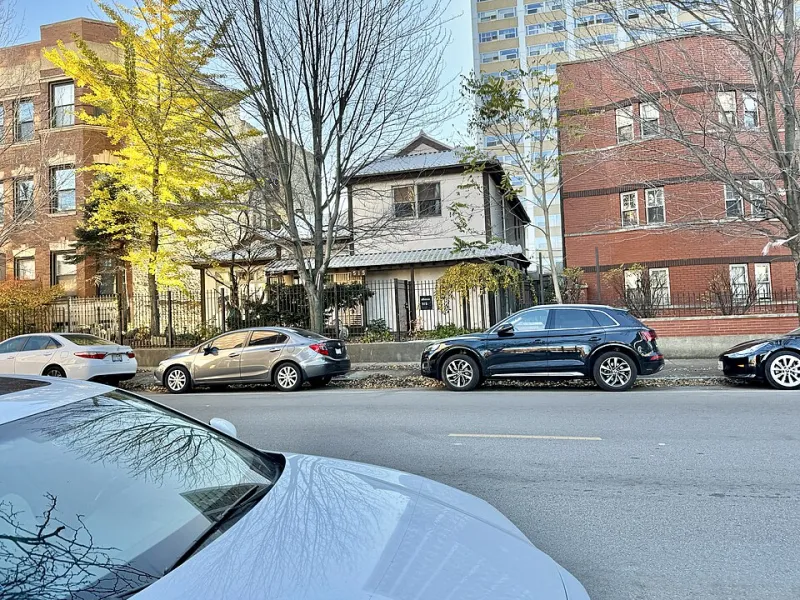
Photo: Warren LeMay from Chicago, IL, United States, CC BY-SA 2.0, via Wikimedia Commons
Every major American city has two versions of itself. There's the one on the postcards — Times Square, the French Quarter, the Hollywood sign — and then there's the one where people actually live. The second version is almost always more interesting, and getting there starts with a single decision: where you choose to stay.
This isn't a contrarian travel take for its own sake. It's a practical framework for getting more out of a trip to cities you've maybe already visited, or always wanted to visit differently. When you book a room in a residential neighborhood with a local host, you're not just saving money on accommodations — you're buying yourself a front-row seat to daily life in a place.
Start With the Neighborhood, Not the Landmark
Most people plan a city trip backwards. They pick the destination, then search for hotels near the attractions. The locals-first approach flips that: start by researching neighborhoods, then look for listings within them.
In New York City, that might mean skipping Midtown entirely and booking in Crown Heights, Brooklyn — a neighborhood with a rich Caribbean and Caribbean-American culture, incredible food, and brownstone streets that feel a million miles from Times Square (even though Manhattan is a short subway ride away). In Los Angeles, a bungalow in Highland Park or Frogtown puts you near a thriving arts scene, independent coffee shops, and taco stands that regulars have been loyal to for decades.
ManyuBnB hosts in residential neighborhoods are often your best research tool here. Many hosts include neighborhood notes in their listings — not just "we're close to the Metro" but actual context: which coffee shop has the best pour-over, which park fills up with families on Sunday mornings, which block has the farmers market. That kind of intelligence is genuinely hard to find anywhere else.
New Orleans: Beyond Bourbon Street
New Orleans is one of the most over-touristed and under-explored cities in America simultaneously. Millions of visitors cycle through the French Quarter every year and see a version of the city that's essentially a theme park version of itself — loud, fun, and almost entirely disconnected from how New Orleanians actually live.
Book a shotgun house in the Bywater or Tremé neighborhoods instead. These are among the oldest African American neighborhoods in the country, with deep musical roots, a thriving visual arts community, and some of the best food in a city that takes food very seriously. Grab a po'boy from a neighborhood spot on St. Claude Avenue. Walk to the Tremé for live brass band music that isn't staged for tourists. Visit the New Orleans Jazz Museum on a Tuesday afternoon when the crowds are thin.
Hosts in these neighborhoods often have strong opinions about where to eat and what to skip — and those opinions are worth their weight in beignets.
Chicago: The City That Rewards the Curious
Chicago's tourist infrastructure is genuinely excellent, which makes it easy to spend an entire trip in the Loop and along the Magnificent Mile without ever seeing what makes the city tick. The locals-first move is to stay in one of the city's distinct neighborhoods — Pilsen, Logan Square, Andersonville, or Bridgeport — each with its own personality, food scene, and community culture.
Pilsen is particularly worth highlighting. It's a predominantly Mexican-American neighborhood on the Lower West Side with incredible murals, authentic taquerias, and the National Museum of Mexican Art, which is free and world-class. Staying here means waking up to a neighborhood that feels genuinely alive rather than curated for visitors.
A ManyuBnB host in Logan Square might point you toward the Sunday farmers market at the boulevard, the independent record stores on Milwaukee Avenue, or the cocktail bar that doesn't have a sign outside but always has a line. These are the details that don't make it into travel magazines.
San Francisco: Resist the Cable Car
San Francisco is small enough that almost every neighborhood is accessible, which makes it a great city for the locals-first approach. The Mission District, the Excelsior, and the Outer Sunset are all worth considering as base camps instead of the heavily touristed areas around Fisherman's Wharf or Union Square.
The Outer Sunset, in particular, surprises people. It's foggy and quiet and feels like a beach town that got absorbed by a major city — which is essentially what happened. The food scene along Irving Street is diverse and affordable. Ocean Beach is right there, usually uncrowded. And the N-Judah streetcar connects you to downtown without much fuss.
Hosts in these neighborhoods often have practical wisdom that's hard to overvalue: where to park without getting a ticket, which days the farmers market runs, how to navigate the city's notoriously unpredictable microclimates.
The Framework: Four Habits of a Locals-First Traveler
Regardless of which city you're visiting, a few consistent habits will pull you toward the real experience and away from the tourist loop.
Eat where there's no menu in the window. Restaurants that depend on tourist foot traffic often optimize for volume and visibility. The spots where locals eat rely on word of mouth and repeat customers — which usually means better food at lower prices.
Walk before you plan. Spend your first morning just wandering the neighborhood around your rental. Notice what's open, what smells good, what sounds interesting. Let the neighborhood introduce itself before you start checking things off a list.
Ask your host for one specific recommendation. Not "what should I do?" but something more targeted: "Where do you go on a Saturday morning?" or "What's the restaurant you'd take a friend visiting from out of town?" Specific questions get specific answers, and specific answers are usually the best ones.
Give yourself at least one unscheduled afternoon. The best travel stories almost always start with "we had no idea what we were doing and then..." Over-planned trips leave no room for the unexpected, and the unexpected is usually where the real stuff happens.
Why Where You Sleep Still Matters Most
All of this circles back to the accommodation choice. A hotel in a tourist district is convenient and predictable — and it keeps you inside the tourist ecosystem for the duration of your stay. A room in a residential neighborhood, hosted by someone who actually lives nearby, puts you inside the city's real rhythm from the moment you arrive.
That's the ManyuBnB premise, and it's not just a marketing line. When your host is your neighbor for a few days, the city opens up differently. You're not a visitor passing through — you're temporarily part of the neighborhood. And that changes everything about how a trip feels when you look back on it.
The best version of any American city is out there. It's just not on the tour bus route.