Pack the Laptop, Book the Rental: How Remote Workers Are Turning Anywhere Into Their Office
Your Desk Doesn't Have to Be in Your Zip Code
Somewhere between the third consecutive Monday spent staring at the same wall and the fourth time you reheated coffee from the same pot, a thought crept in: what if I just... went somewhere?
Not for a weekend. Not for a quick trip where you spend half the time anxious about emails piling up. But for two weeks, maybe a month—bringing the job along and letting the destination do something your home office simply can't: remind you that the world is actually pretty interesting.
That's the workcation, and it's not a fringe idea anymore. Thanks to remote work becoming a permanent fixture for millions of Americans, short-term rentals have quietly evolved into something more than vacation spots. For a growing slice of the workforce, they're functioning offices, creative retreats, and low-key life experiments—all rolled into one booking.
What's Actually Driving the Shift
The numbers tell a clear story. Remote work—once a perk dangled in front of a lucky few—now accounts for a significant chunk of the American workforce. And when your employer doesn't care whether you're logged in from your apartment in Columbus or a rental cottage outside Asheville, the question shifts from can I work remotely to where do I want to do it?
Short-term rental platforms like ManyuBnB have noticed the change. Listings that once highlighted proximity to tourist attractions are now equally likely to mention dedicated desk space, gigabit internet, and quiet hours. Hosts in smaller cities and scenic towns are marketing directly to the remote worker crowd—and doing pretty well at it.
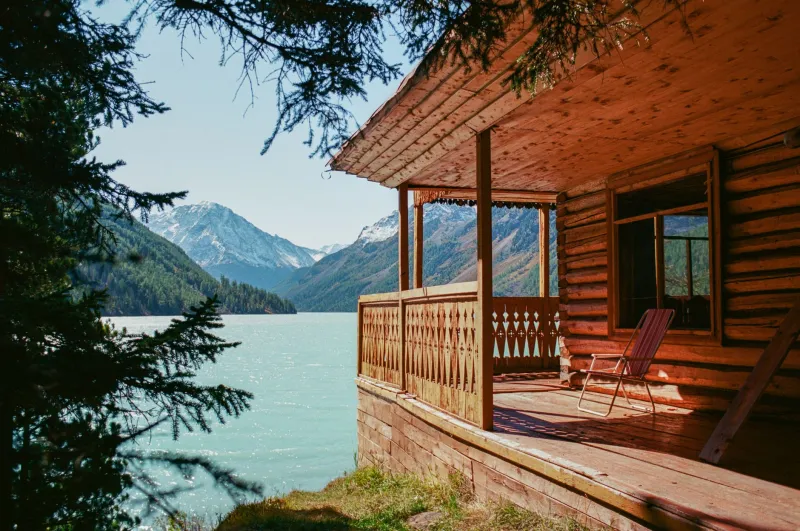
The appeal isn't complicated. A change of scenery genuinely affects how people think. Researchers have studied this for years, and the conclusion keeps coming back the same way: novelty sparks creativity, routine dulls it. When your commute is a walk to a porch overlooking a lake in the Ozarks, the morning meeting hits a little differently.
What to Actually Look for in a Workcation Rental
Not every charming rental is a good work rental. A converted barn with exposed beams and a claw-foot tub might photograph beautifully, but if the WiFi drops every time a cloud passes overhead, you're going to have a bad time on your 2 PM call.
Here's what actually matters when you're vetting a listing:
Internet speed and reliability — This is non-negotiable. Look for listings that specifically mention upload speeds, not just download. Video calls eat upload bandwidth. If a host isn't listing the speed, message them and ask. A good host will tell you exactly what to expect. A vague answer is a yellow flag.
Dedicated workspace — A kitchen table technically works, but it's not ideal. Look for listings that mention a desk, an office nook, or even a separate room you can close off. Your back will thank you after week two.
Natural light and noise levels — These matter more than people expect. A dark, noisy space might be fine for a weekend, but it'll grind on you over a longer stay. Look at listing photos carefully—is there actual daylight in the workspace? Are there notes about the neighborhood's noise level?
Kitchen setup — When you're staying for two or three weeks, eating out every meal isn't sustainable financially or physically. A well-stocked kitchen with basic cooking tools lets you eat well without burning through your travel budget.
Proximity to a coffee shop or coworking space — Even the best home setup needs a change sometimes. A walkable café or a local coworking spot nearby gives you an option when the walls start closing in.
The Destinations Getting It Right
Some places have leaned into the remote worker wave harder than others. Smaller cities and outdoor-adjacent towns have been especially smart about it.
Tucson, Arizona has quietly built a reputation as a workcation-friendly city—affordable, sunny almost year-round, and full of interesting neighborhoods where local hosts rent everything from mid-century casitas to adobe bungalows. Bend, Oregon draws the outdoor-obsessed crowd that wants to mountain bike before their morning standup. Chattanooga, Tennessee has invested heavily in its broadband infrastructure and has a genuine arts and food scene that punches well above its size.
But honestly, the right destination is personal. Some people need mountains. Some people need a walkable urban neighborhood with good coffee and a bookstore. The workcation model works best when the location is doing something for you—whether that's calming you down, sparking ideas, or just making the evenings feel like an adventure rather than a rerun.
Hosts Who've Built for This
If you dig into listings on ManyuBnB, you'll start to notice a new kind of host description emerging. Less "great spot for a romantic getaway" and more "reliable gigabit fiber, standing desk available, two monitors on request."
Hosts who've adapted to remote workers tend to be thoughtful about the whole experience. They know their guests aren't just passing through—they're setting up a temporary life. That often means better-stocked kitchens, local recommendations that go beyond tourist spots (think: the quietest coffee shop in town, the farmer's market with the best produce, the trail that isn't on any app yet), and a genuine interest in making a longer stay feel comfortable rather than transactional.
That's exactly the spirit ManyuBnB was built around. When you stay with a local host, you're not just renting a space—you're plugging into someone's knowledge of a place. That's worth something, especially when you're going to be living there for a few weeks.
Making the Most of the Hybrid Days
The best workcationers aren't trying to replicate their home routine in a new location. They're redesigning the day around what the place has to offer.
That might mean front-loading your meetings into the morning so afternoons are free for hiking. It might mean treating Friday as a half-day and spending the rest of it exploring a neighboring town. It might just mean eating dinner somewhere new every night instead of defaulting to the same three delivery apps.
The rental becomes a base camp, not a cage. You're still working—probably working well, actually—but the edges of the day belong to somewhere new.
One More Thing Worth Saying
The workcation isn't for everyone, and it's not always perfect. Time zones can be tricky. Some weeks are just heads-down sprint weeks and the destination barely registers. And yes, occasionally the WiFi does drop at the worst possible moment.
But for the people who've tried it, the consensus is pretty consistent: once you've filed a report from a rental porch in the Blue Ridge Mountains or wrapped up a project from a sunny apartment in Santa Fe, it's hard to look at that same wall back home the same way.
Your office is wherever you open the laptop. Might as well make it somewhere worth being.