What Hosts Aren't Saying Out Loud: The Real Etiquette Guide to Staying in Someone's Home
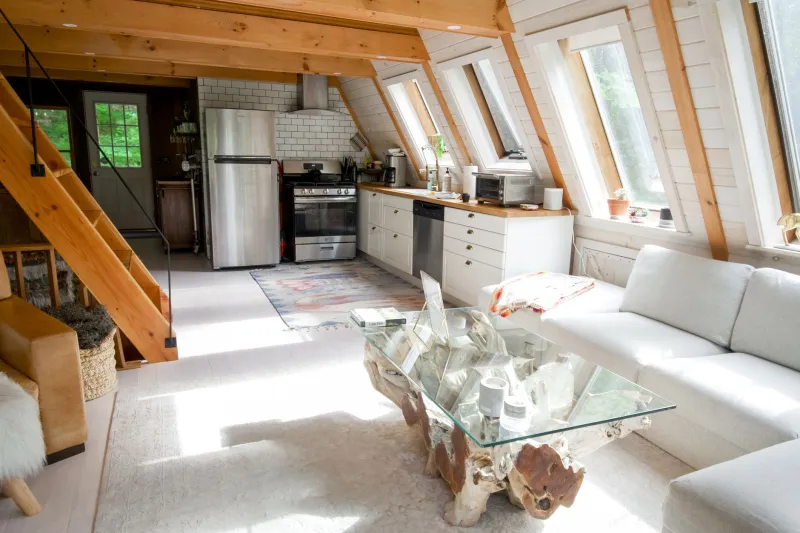
There's a version of the rental house rules that exists in the listing — the one about no smoking, no parties, check-out by 11 a.m. And then there's the other version. The one that lives in the host's head, the one they've drafted and deleted a dozen times because they don't want to sound controlling or unwelcoming before you've even arrived.
That second version is what we're talking about today.
Staying in a vacation rental through a platform like ManyuBnB isn't the same as booking a hotel room. You're not walking into a sanitized, staff-managed space where nothing is personal. You're stepping into someone's actual home — sometimes their primary residence, sometimes a property they've spent years building into something special. The difference matters more than most guests realize, and understanding it before you show up is the single fastest way to have a genuinely great stay.
The Furniture Has a History (Treat It That Way)
Hosts almost never say this directly, but it's almost always true: the furniture in that rental means something. That worn leather couch? Brought back from an estate sale in Vermont. The dining table with the slight wobble? Built by the host's father-in-law. Guests who treat rental furniture like hotel furniture — moving it aggressively, stacking things on top of fragile pieces, letting wet glasses sit on wood surfaces — create a kind of low-grade damage that adds up fast.
You don't need to treat the place like a museum. But acting like you'd act in a friend's home rather than a generic space goes a long way. Use coasters. Don't drag chairs across hardwood. If you rearrange something, move it back before you leave. These are small things that cost you nothing and communicate a lot about the kind of guest you are.
Noise Is More Complicated Than the Listing Suggests
Most listings mention quiet hours. Fewer explain the actual context. Is the rental attached to the host's own unit? Are there neighbors directly above or below? Is the area a tight-knit residential block where a loud Saturday night will absolutely be noticed?
Hosts who live near their properties often have real relationships with their neighbors — relationships that guests can damage in a single evening. When a host lists quiet hours as 10 p.m., they're not being arbitrary. They're protecting something they've built over time. A good rule of thumb: if you can hear yourself clearly from outside the front door, it's probably too loud.
This also applies to early mornings, which guests underestimate. Slamming car doors at 6 a.m. while loading up for a hike, rolling suitcases across hardwood floors, running the coffee grinder at full volume — these things travel. Being mindful of your sound footprint, especially in the first and last few hours of your stay, is one of the more underrated courtesies in rental travel.
The Kitchen Isn't a Restaurant Kitchen
One of the biggest gaps between guest expectations and host reality is the kitchen. Guests see a full kitchen and assume it functions like a commercial setup — endlessly durable, easy to clean, built for high-volume use. But most rental kitchens are residential appliances that see a rotation of different cooking styles, varying levels of care, and the occasional disaster.
Hosts don't expect you to not cook. That's the whole point. But they do care deeply about a few things they rarely spell out: leaving the stovetop the way you found it, not using good pans for tasks they're not designed for, and — this one comes up constantly — cleaning the coffee maker. The coffee maker. It sounds small. Hosts will tell you it is not small.
If you cooked something that splattered, wipe it down. If you used the cast iron, don't put it in the dishwasher. If you're unsure about an appliance, ask. Hosts would genuinely rather answer a quick message than find a ruined piece of equipment at checkout.
Parking Is Almost Always a Bigger Deal Than You Think
In cities, in beach towns, in mountain communities — parking is a loaded subject. Hosts who offer one designated spot aren't being cagey when they say one spot. They mean one spot. Overflow parking in a neighbor's driveway, blocking a shared lane, or parking in a spot that belongs to the building next door are the kinds of things that generate actual complaints, sometimes to the city, sometimes to the host's HOA.
Before you arrive, confirm exactly where you're supposed to park and whether there are any restrictions on the street nearby. If you're traveling with two vehicles and only one spot is listed, ask in advance — don't assume it'll work itself out when you pull up at 9 p.m.
The Checkout List Isn't Busywork
Hosts vary on how much they ask of guests at checkout. Some want dishes done and trash taken out. Others just ask that you strip the beds. A few are remarkably hands-off. But whatever the checkout instructions say, they reflect something real about the host's situation.
Many hosts are doing their own turnover — cleaning, restocking, preparing for the next guest — with a tight window between stays. When guests leave dishes in the sink, garbage overflowing, or towels scattered across every surface, it doesn't just create extra work. It can blow the entire turnaround and affect the next guest's experience. Hosts know their guests aren't housekeepers. They're not asking for perfection. They're asking for basic consideration.
Read the checkout instructions the night before you leave, not ten minutes before you walk out the door.
What Hosts Actually Care About Most
Here's the honest summary, distilled from countless conversations with hosts across the country: they don't care if you rearrange the throw pillows. They don't care if you sleep in on checkout day and leave at 10:58. They don't care if you brought more people than fit comfortably on the couch, as long as it's within the listed limit.
What they care about is whether you treated their home like it mattered. Whether you noticed that it's a real place with real history and not just a transaction. Whether you left it in a condition that reflects the same care they put into preparing it for you.
The hosts on ManyuBnB aren't running hotels. They're sharing something. And the guests who understand that — who arrive with a little curiosity about the place and a little respect for the person who made it available — are the ones who leave with five-star reviews, genuine thank-you messages, and the kind of travel story that doesn't sound like everyone else's.
That's the whole point of staying local. Live the story — just don't trash the set.