Sleeping in a Closet: How to Tell If That Extra Bedroom Is Actually a Room
Picture this: you've booked a three-bedroom rental for a family trip. Everyone gets their own space. The kids have a room, the grandparents have a room, and nobody has to share a pull-out couch. Perfect, right?
Then you show up.
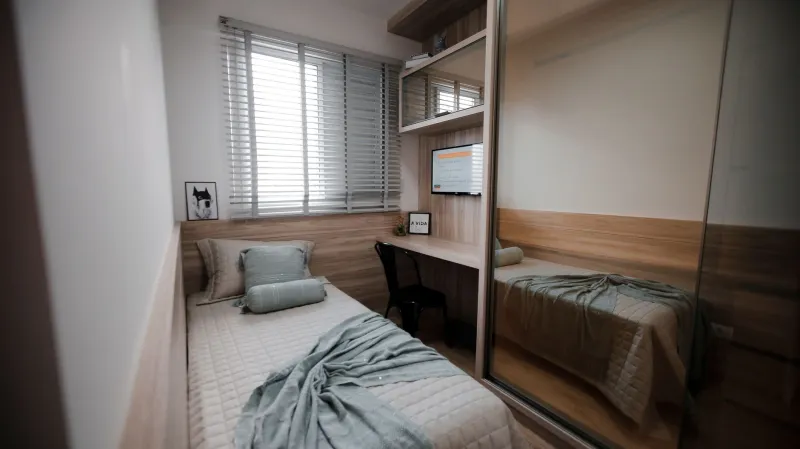
Room one? Lovely. Room two? Fine. Room three? A converted laundry nook with a twin mattress, a ceiling fan that grazes your forehead if you stand up too fast, and a window that looks directly into a neighboring wall. Technically a bedroom. Practically a punishment.
This is what seasoned travelers call the ghost room problem — and it's more common in short-term rental listings than most people realize.
What Makes a Room a Room?
There's no universal legal standard that vacation rental platforms enforce when a host labels something a "bedroom." In many states, a true bedroom requires a minimum square footage, a window, and proper egress — but those rules apply to permanent housing, not necessarily to how a host describes their listing online.
That gap is where ghost rooms live.
A ghost room isn't a total fabrication. It's a space that technically sleeps someone but fails to function as a genuine, comfortable bedroom. We're talking about:
- Converted offices where the desk got swapped for a daybed and the shelves are still full of the host's stuff
- Basement rooms with no natural light, low ceilings, and a vague dampness that no candle is going to fix
- Loft spaces accessible only by a near-vertical ladder, which sounds charming until you're 60 or traveling with a toddler
- Flex rooms — the rental industry's favorite weasel word — that might be a bedroom, might be a sitting room, might be whatever you need it to be (it's none of those things)
- Sunrooms or enclosed porches dressed up with a bed and a throw pillow, offering zero privacy and all the insulation of a screen door
None of these are inherently terrible. Some travelers genuinely love a cozy loft. But the problem is the mismatch between expectation and reality — and that mismatch starts in the listing.
The Photo Tricks That Hide the Truth
Listing photos are a host's best marketing tool, and most hosts use them wisely. But when it comes to ghost rooms, the camera becomes a very effective magician.
Watch for extreme wide-angle shots. A lens that can make a sedan feel like a ballroom is doing the same thing to that 80-square-foot room. If every photo in the listing looks like it was taken with a fisheye lens, that's worth noting.
No photo of the room at all. This is the biggest red flag. If a listing claims three bedrooms but only shows two of them, ask yourself why. Hosts don't hide their best spaces.
Strategic cropping. A photo that shows only the bed and the wall behind it tells you almost nothing about the actual room. You can't see the ceiling height, the door clearance, the window (or lack of one), or how much floor space actually exists around the bed.
Staged but sparse. A real guest bedroom usually has some functional touches — a lamp, a nightstand, a closet or at least hooks for hanging clothes. If the room photo looks like someone just dragged in a mattress and called it done, that's probably exactly what happened.
The Language That Should Make You Pause
Beyond the photos, listing descriptions do a lot of quiet work to manage expectations down. Learn to read between the lines.
- "Cozy" almost always means small. Cozy is fine — but cozy and sleeping two adults comfortably are different things.
- "Bonus room" or "flex space" signals that the host isn't fully committing to calling it a bedroom.
- "Perfect for kids" when describing a room is sometimes a gentle way of saying an adult would find it miserable.
- "Loft-style" without further detail could mean anything from a beautiful open mezzanine to a plywood platform above the living room.
- "Can sleep up to X guests" is a max capacity claim, not a comfort claim. Technically, four people can sleep in a room with two bunk beds and a cot. That doesn't mean they should.
The Questions That Actually Get You Answers
Here's the good news: most hosts on platforms like ManyuBnB are real people who are reachable before you book. That's one of the genuine advantages of booking with a local host over a faceless hotel chain — you can actually ask.
A few questions worth sending before you commit:
"Can you tell me the approximate square footage of each bedroom?" A host who knows their space will answer easily. A host who hesitates or gives a vague non-answer is telling you something.
"Does each bedroom have a closet or storage space for clothes?" This forces a specific answer and reveals whether the room was designed for guests or repurposed for them.
"What's the natural light situation in the third bedroom?" If the answer involves words like "it gets some light in the morning" or "there's a window but it faces the stairwell," adjust your expectations accordingly.
"Is the third bedroom on the main floor or is there stairs/ladder access?" Critical if you're traveling with young kids, older relatives, or anyone with mobility considerations.
"Is the room used for any other purpose between bookings?" This is a polite way of asking whether the host's gym equipment is still in there.
A good host will answer all of these without blinking. In fact, a host who genuinely has a great third bedroom will probably be happy to tell you about it.
How to Protect Yourself at Booking
Beyond messaging the host, a few practical habits can save you from a ghost room situation:
Read reviews specifically for mentions of space. If previous guests mention that one room was "tight" or "not what we expected," that's a recurring pattern, not a one-time opinion.
Count the beds, not the bedrooms. Some listings will say the bedroom count in the title but bury the actual sleeping arrangements in fine print. If the listing says "sleeps 6" across three bedrooms, that math only works if at least one of those rooms has a double bed — or if someone's sleeping somewhere uncomfortable.
Look at the floor plan if one is provided. Not all listings include one, but when they do, it's one of the most honest things in the listing. Square footage doesn't lie the way photos can.
Trust your gut when something feels off. If a listing has 47 photos and not one of them shows the third bedroom, that silence is information.
The Bottom Line
Booking a rental is an act of trust. You're taking someone's word — and their photos — and betting your trip on it. Most hosts on platforms like ManyuBnB are genuinely trying to give you a good experience. But good intentions don't automatically produce accurate listings, especially when a host is trying to maximize their property's appeal.
The best defense is knowing what to look for, what to ask, and what the camera might be hiding. A real bedroom feels like a room where someone actually wants to be. If the listing makes you work to convince yourself that's true, it probably isn't.