The Other Side of the Calendar: What America's Most Famous Destinations Look Like When the Crowds Go Home
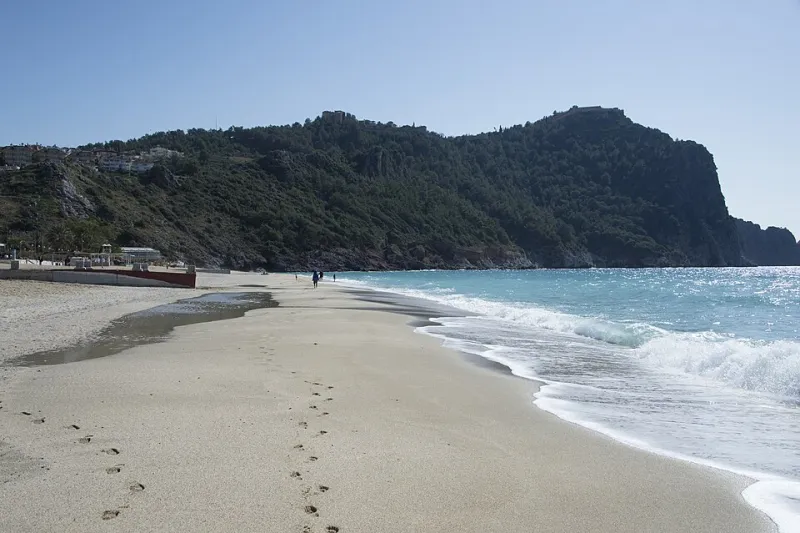
Photo: Dosseman, CC BY-SA 4.0, via Wikimedia Commons
There's a version of Park City, Utah that has nothing to do with ski lifts. A side of Cape Cod that locals actually prefer. A way to experience the Grand Canyon's South Rim where you can stand at the edge without someone's selfie stick in your peripheral vision. You just have to show up at the wrong time — or, depending on how you look at it, exactly the right time.
Off-season travel has always been a quiet secret among people who've figured out that the calendar is the most powerful variable in any trip. But pairing that timing with a locally-hosted rental takes the whole thing to another level. Suddenly you're not just avoiding crowds — you're actually accessing a destination the way its residents experience it.
Ski Towns in Summer: The Best-Kept Secret in American Travel
The ski resort towns of the American West — Park City, Telluride, Aspen, Jackson Hole — are engineered for winter. The infrastructure, the restaurants, the entire economic identity of these places orbits around snow. Which makes the summer version of these towns one of the most underrated travel experiences in the country.
The mountains are still there. The trails are open. The restaurants — the good ones, the ones that survive year-round on local loyalty — are quieter and often more eager to please. Accommodation prices can drop by 40 to 60 percent from peak ski season. And the towns themselves exhale in a way that's genuinely pleasant to be around.
Park City in July feels like a different city than Park City in February. The Historic Main Street has the same charm, but the energy is slower, more conversational. Wildflowers are out on the trails. The locals you'll meet through a ManyuBnB host are people who chose to live in these places year-round — not just for the skiing, but because the mountains are extraordinary in every season.
A host who's rented their Park City condo for three winters but lives there full-time will tell you about the summer farmers market, the mountain biking trails that don't show up in the resort's promotional materials, and the restaurant that's only worth visiting when the tourist crowds aren't inflating the wait times. That's the intel that changes a trip.
Beach Towns in Winter: Cheaper, Quieter, and Surprisingly Worth It
Florida, the Carolinas, the Jersey Shore — the conventional wisdom says you visit in summer. The conventional wisdom is leaving a lot of value on the table.
Off-season beach towns have a particular quality that's hard to describe until you've experienced it. The light is different. The pace is different. The restaurants that are impossible to get into in July have tables available on a Tuesday night in January. And the beaches themselves — particularly along the Gulf Coast of Florida — are often at their most beautiful in winter, with cooler temperatures, lower humidity, and water that's still warm enough for a wade.
Sarasota in February is genuinely lovely. The snowbird crowd is there, yes, but they're not the same as peak summer tourism. Amelia Island in December is quiet in a way that feels restorative rather than empty. Outer Banks rentals in November are a fraction of their summer prices, and the barrier island landscape in fall light is something photographers travel specifically to capture.
When you book with a local host during shoulder season, you're often getting someone who's as invested in the off-season experience as you are. They live there. They know which beach access points are least affected by winter wind. They know which local seafood spots are open year-round versus the ones that shutter after Labor Day. That knowledge doesn't exist in a travel guide.
National Park Gateways in Spring: Beating the Summer Stampede
The national park system welcomed over 300 million visitors last year. The vast majority of them showed up between Memorial Day and Labor Day. The math on that is brutal: world-class natural landscapes being experienced through a scrum of RVs, timed-entry permits, and parking lots that fill by 7 a.m.
Spring changes the equation dramatically. April and May in gateway towns like Moab, Utah; Gatlinburg, Tennessee; and Springdale, Utah (the doorstep of Zion) offer something rare: access to genuinely spectacular landscapes without the operational friction of peak season.
Moab in April has daytime temperatures in the 60s and 70s, wildflowers in the canyon country, and Arches National Park before the summer reservation system kicks into full gear. The town itself — with its mix of outfitters, local restaurants, and art galleries — is operating at a human scale. You can actually talk to people.
Gatlinburg in late March, before spring break crowds arrive in force, is a gateway to Great Smoky Mountains National Park when the dogwoods and redbuds are blooming and the waterfalls are running strong from winter snowmelt. Rental prices in the surrounding Wears Valley area are significantly lower than summer rates, and hosts there are often more available for conversation — they're not juggling back-to-back turnovers every three days.
That availability matters. A host in Springdale who's not overwhelmed by peak-season bookings will answer your message the same day, tell you which Zion trails are accessible without a permit right now, and mention that the local coffee shop does a breakfast burrito that's better than anything in the park's lodge. These are the details that make a trip feel like a real experience rather than a managed tour.
What Locals Actually Do When the Tourists Leave
Here's the thing about off-season travel that doesn't get said enough: the locals come back. The restaurants they actually like. The trails they use on weekends. The events and farmers markets and community gatherings that exist for residents rather than visitors.
When you stay in a locally-hosted rental through ManyuBnB during shoulder season, you're often staying with someone who's relieved the crowds have thinned. They're more relaxed. They have more time to share what they actually love about where they live. And what they share tends to be the stuff that doesn't make it onto the highlight reels.
The off-season traveler who books a local rental isn't just saving money, though they usually are. They're buying access to a place as it actually is — messier, more genuine, and often more interesting than the peak-season performance version that most visitors get.
A Few Timing Notes Worth Knowing
Off-season isn't uniform. "Shoulder season" means something different in every destination:
- Gulf Coast Florida: November through January offers the best combination of low prices, low humidity, and manageable crowds
- Colorado mountain towns: Late spring (May–early June) and early fall (mid-September–October) are the sweet spots between ski season and summer hiking traffic
- Pacific Northwest coast: September and early October bring the best weather of the year with a fraction of the summer visitors
- Great Smoky Mountains: March and early April, and again in November, offer dramatic landscapes and dramatically lower prices
- Desert Southwest: Spring (March–April) and fall (October–November) are genuinely ideal — summer heat is real and not a minor inconvenience
The calendar is a tool. Most travelers use it the same way, which is why the most visited destinations can feel like theme parks during peak season. The ones who use it differently — who show up when the locals have their home back — tend to come back with the best stories.