Cold Months, Real Places: What Winter Bookings Reveal About the America Tourists Never See
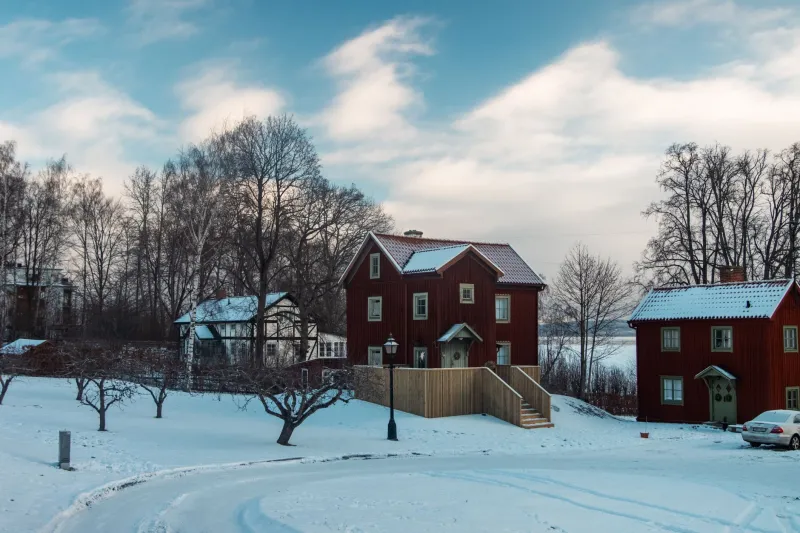
There's a version of every American town that most visitors never encounter. It exists somewhere between Labor Day and Memorial Day, in the months when the rental calendars thin out and the hosts finally exhale. Streets that were packed in July feel like they belong to the people who actually live on them. The coffee shop where your host told you to go — the one with the mismatched chairs and the regulars who know each other's orders — actually has seats available.
That's the version of a place you get when you book in winter. And it's often the best one.
Why Peak Season Is Kind of a Performance
This isn't a knock on summer travel. But let's be honest about what peak season actually is for a lot of destinations. It's a production. Businesses staff up, prices climb, and the whole town orients itself around moving tourists through as efficiently as possible. Your host is probably flipping the rental every two or three days and doesn't have a lot of bandwidth for a long chat about where the locals actually eat.
Winter changes all of that. A host with one or two bookings on the calendar this week has time to sit on the porch and actually talk. They'll tell you about the bar that only locals know about because it's never bothered with a social media presence. They'll mention that the hiking trail everyone crowds in October is genuinely stunning after a light snow, and that you'll probably have it to yourself.
That's the ManyuBnB experience at its most honest — a real person, sharing a real place, without the time pressure of the high season bearing down on everyone.
The Shoulder Season Sweet Spot
Not every off-season booking means bundling up in January. Shoulder season — think late October through November, or February into early March — sits in a productive middle ground. The weather is manageable in most parts of the country, prices have dropped noticeably from their summer peaks, and the tourist infrastructure is still up and running.
A rental in Savannah, Georgia in late November is a genuinely different experience than the same rental in April. The azaleas aren't blooming, but the squares are quiet, the restaurants have room for walk-ins, and the city feels like it's living its actual life rather than performing its greatest hits. Same goes for a coastal Maine town in early October, or a mountain community in Colorado in early December before the ski crowds descend.
The trick is identifying what you want from a destination and asking whether winter actually interferes with that — or whether it just changes the texture of the experience.
What Hosts Are Like When They're Not Overwhelmed
Ask any frequent traveler who books through local hosts and they'll tell you: the best host interactions happen when the host isn't exhausted. Summer is relentless for a lot of short-term rental owners. They're coordinating cleaners, answering a flood of inquiries, managing multiple guests, and trying to keep everything running smoothly across a packed calendar.
In winter, that pressure evaporates. A host who books a handful of guests between December and February tends to treat each one like a real visitor rather than a transaction. They write longer welcome notes. They stop by to check in. They leave a bottle of something local on the counter.
One guest who booked a farmhouse rental in Vermont in February described it this way: the host spent forty-five minutes on the phone before the trip just talking about what was worth doing in town that time of year. She mentioned a sugarhouse that was starting its maple season early, a community chili cook-off that would be happening that weekend, and a cross-country ski trail that wasn't on any tourist map. None of that would have happened in August.
Communities as They Actually Function
There's something revealing about seeing a place when it's not trying to impress anyone. The winter farmers market with twelve vendors instead of sixty tells you a lot about what actually sustains a community. The local diner that's packed on a Tuesday in January, when there are no tourists in sight, is clearly doing something right.
Booking a winter rental in a place like Marfa, Texas or Asheville, North Carolina or Door County, Wisconsin means slipping into the rhythms of a town that's just going about its business. You catch the community theater production that isn't marketed to outsiders. You end up at the neighborhood bar trivia night because your host mentioned it offhand. You find out that the best pizza in town comes from a spot that closes every summer because the owner takes a vacation.
These are the discoveries that make travel feel like it actually happened to you, rather than a version of travel that happened to everyone who visited that same summer.
A Few Practical Notes
Before you commit to an off-season booking, a few things are worth checking:
Confirm what's actually open. Some seasonal destinations genuinely shut down between October and April. A quick message to your host before booking can save you from showing up to find half the town closed. Most hosts will be upfront about this — they'd rather set accurate expectations than deal with a frustrated guest.
Ask about heating and insulation. A rental that's stunning in July might be drafty and underprepared for actual cold. Look for listings that specifically mention winter-readiness, and don't hesitate to ask the host directly.
Lean into the season. The worst winter travel experiences usually happen when someone is trying to recreate a summer trip in colder conditions. The best ones happen when the traveler embraces what winter actually offers — slower mornings, cozy interiors, outdoor experiences that only exist in cold weather.
Negotiate or look for deals. Many hosts drop their rates significantly in the off-season, and some are open to longer-stay discounts that wouldn't be on the table in peak months. A week in a place you love, at a fraction of the summer price, with a host who actually has time for you — that's a pretty compelling case for cold-weather travel.
The Takeaway
The travelers who come back from winter trips raving about a place usually aren't describing the place at its most photogenic. They're describing it at its most honest. The host who had time to share a little of their world. The town that wasn't performing for anyone. The rental that felt like a home because the person who owns it was actually present enough to make it feel that way.
Winter doesn't diminish a destination. For a lot of them, it's when they finally get to be themselves.