When 'Renovated' Is a Red Flag: How to Tell If That Shiny Rental Actually Works for Real Life
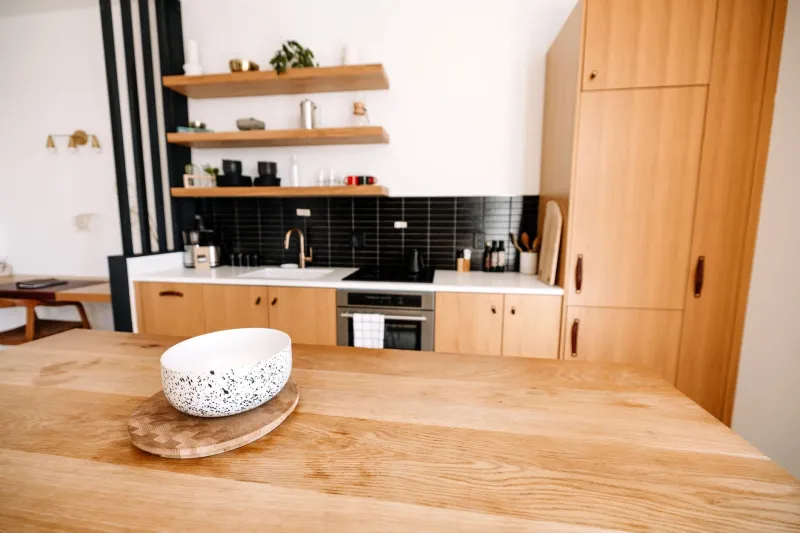
There's a moment every traveler knows. You're scrolling through listings late at night, and one stops you cold. Quartz countertops. Floating shelves. A rainfall showerhead catching afternoon light just so. The listing says 'newly renovated,' and suddenly you're already picturing yourself there with a coffee mug, looking effortlessly at home.
Then you show up.
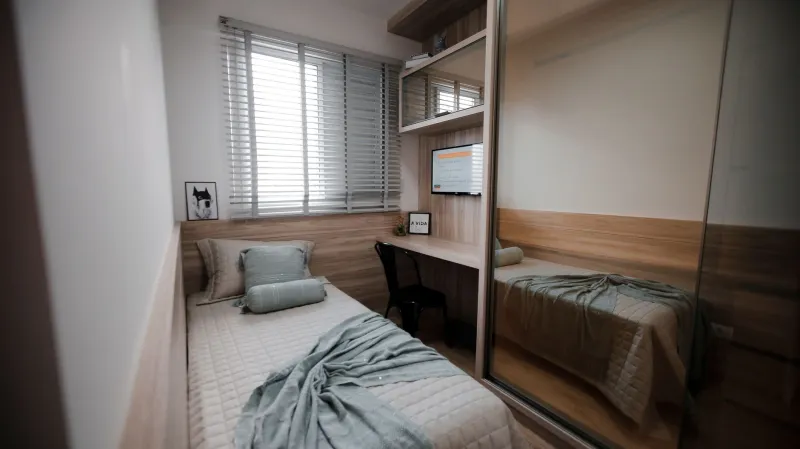
The mattress sits on a platform so low your knees protest every morning. The open-concept kitchen — gorgeous in photos — has approximately four inches of actual counter space. The bathroom exhaust fan sounds like a helicopter. And somewhere between the shiplap accent wall and the Edison bulb chandelier, you realize: this place wasn't designed for you to live in. It was designed for someone to photograph.
This is the upgrade trap. And it catches more travelers than you'd think.
What 'Newly Renovated' Actually Means
The phrase 'newly renovated' in a rental listing is doing a lot of heavy lifting. It could mean a full structural overhaul with updated electrical, proper insulation, and thoughtful layout changes. More often, it means someone watched a lot of home improvement television and went hard on the aesthetics.
Cosmetic renovations — new tile, fresh paint, trendy fixtures — are fast, relatively cheap, and incredibly photogenic. They're also the first thing that shows up in listing photos and the last thing that matters when you're trying to find where the extra blankets are stored at midnight.
The problem isn't renovation itself. It's renovation that prioritizes style over substance. Older homes, especially pre-1980s construction, were built with certain livability features baked in: deep closets, real wood floors with actual give underfoot, plaster walls that hold heat, windows designed for ventilation. Gut a place in the name of modernization and you can lose all of that without gaining anything except a really good Instagram background.
The Specific Things That Get Sacrificed
Let's talk storage first, because it's the silent killer of a comfortable stay. Older homes had it figured out — coat closets, linen closets, pantries, built-ins that actually held things. Contemporary renovation trends favor clean lines and minimalism, which often translates to closets removed, pantries converted into open shelving, and nowhere to put your actual belongings. If a listing photo shows a beautiful open kitchen with three decorative bowls and a succulent, ask yourself: where does the food go?
Insulation is the other one nobody talks about until they're shivering. Older homes that haven't been renovated thoughtfully can lose whatever passive thermal performance they had. Spray foam and new drywall installed without care can create drafts in weird places, uneven heating across rooms, and that particular misery of a bathroom that's fifteen degrees colder than everywhere else.
Then there's the layout problem. Open-concept living looks spacious in photos. In a vacation rental with four people, it means no one ever has a quiet moment. Sound travels everywhere. Someone's always in someone else's space. The cozy breakfast nook that got knocked down to open up the floor plan? That was actually doing a job.
How to Spot an Over-Renovated Rental Before You Book
Read the listing description for what it emphasizes. If the copy spends three sentences on the waterfall faucet and zero sentences on closet space, sleeping arrangements, or heating setup, that's a signal about what the host values — and what they might have sacrificed to get there.
Look hard at the photos. Specifically, look for what's not in them. Are there any shots of storage? Is there a linen closet visible anywhere? How about a pantry, a coat rack, or even a laundry setup? Listings that show every surface and fixture but mysteriously skip the practical spaces are often hiding a livability problem.
Check the age of the building against the renovation date. A 1940s craftsman 'renovated in 2023' could mean anything from a careful restoration to a total personality transplant. Look for reviews that mention comfort-related details — temperature, noise, storage, how well the place actually functions day-to-day. Guests who stayed there will tell you the truth the listing photos won't.
Ask the host directly. A good host will tell you exactly what was updated and why. If the answer is enthusiastically all about aesthetics and vague about systems, that's information.
Why the 'Vintage' Rental Might Actually Win
Here's something the algorithm doesn't reward: a well-maintained older rental with original character is often a genuinely superior stay. The floors have warmth. The walls hold heat. The closets are deep and real. The kitchen was designed by someone who thought about actually cooking in it, not staging it.
These listings don't always photograph as dramatically. They might not have the trending tile or the statement light fixture. But they sleep better, feel more like a home, and tend to be hosted by people who've maintained the property for years rather than flipped it for the listing photos.
At ManyuBnB, we've noticed that some of the most consistently five-star stays are places that look a little quieter in the photos — lived-in, considered, real. The kind of place where the host knows every quirk of the house and has left you a note about it. That's not a flaw. That's a feature.
A Practical Checklist Before You Click 'Book'
Before committing to any 'newly renovated' listing, run through this quick mental checklist:
- Does the listing mention insulation, heating, or cooling systems? If not, ask.
- Can you see storage in the photos? Look for closets, drawers, pantry space.
- How many people are sharing how much space? Open-concept sounds great for two; it's chaos for six.
- What do reviews say about temperature and noise? These are the livability tells.
- Does the renovation look recent and rushed? Check review dates against the renovation claim.
- Is there a host note or guidebook? Hosts who know their property well enough to write about it usually maintain it the same way.
The best vacation rental isn't the one that looks the most impressive on a screen. It's the one that actually lets you rest, cook, gather, and feel like you belong there — even for just a few nights. Sometimes that's a freshly renovated space done with real care. And sometimes it's a 1967 bungalow with original hardwood floors and a host who left you a handwritten note about where the best breakfast spot is.
Don't let 'newly renovated' be the thing that sells you. Let comfort sell you. They're not always the same thing.